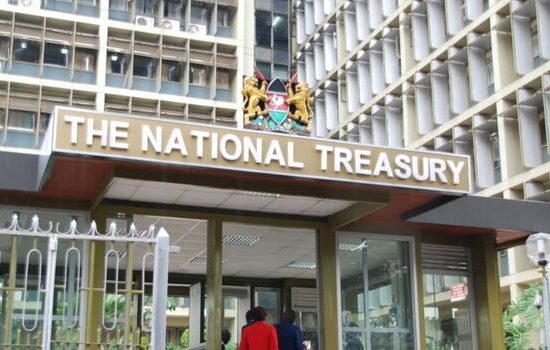

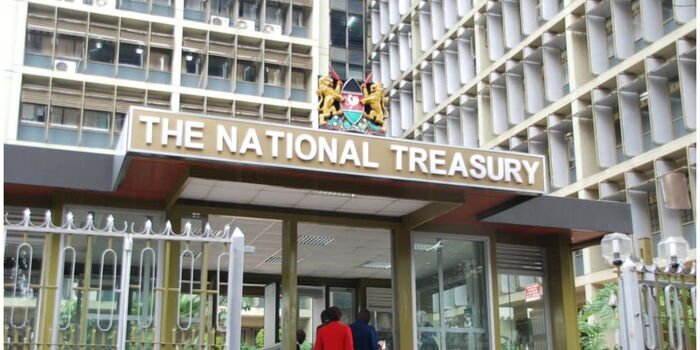
The National Treasury has formally invited Kenyans and key stakeholders to submit proposals for changes to tax policy in preparation for the 2026/2027 national budget. This crucial call for participation, issued via a public notice, aims to enhance transparency, strengthen accountability, and foster public involvement in significant financial decisions.
Citing Articles 201 and 232 of the Constitution, along with the Public Finance Management Act, the Treasury emphasized the right and responsibility of citizens, county governments, civil society groups, and the private sector to contribute to shaping national fiscal priorities. The notice explicitly stated, “The National Treasury hereby invites the members of the public, the national government, and other stakeholders to make submissions for consideration in the fiscal budget for the Financial Year 2026/2027.”
The ministry is specifically seeking amendments to existing tax laws for inclusion in the Finance Bill 2026. Submissions must align with the government’s Bottom-Up Economic Transformation Agenda BETA. This agenda prioritizes economic recovery, job creation, and inclusive growth through a value chain approach.
The Cabinet Secretary noted that each proposal should clearly identify the tax law or provision slated for amendment, outline the issue being addressed, and provide a justified rationale supported by evidence. He further explained that these inputs will inform revenue raising measures designed to reinforce fiscal sustainability while simultaneously supporting the nation’s economic expansion.
This invitation for public engagement follows previous substantial opposition to finance bills. In June 2024, significant public unrest erupted nationwide after the Finance Bill 2024 was presented to Parliament. Thousands of demonstrators, including representatives from business organizations, civil society groups, and the general public, subsequently protested in Nairobi in response to the bill’s passage.
Critics strongly opposed the proposed tax measures, arguing that they would raise the cost of living and negatively affect enterprises, particularly small businesses. The protests highlighted a strong public demand for greater consultation and participation in policy formulation, a gap the Treasury now actively seeks to bridge. Experts suggest this official public call provides a direct avenue for Kenyans to influence policy, promote fairness in taxation, and prevent the kind of unrest observed in 2024.