
The Common Market for Eastern and Southern Africa (COMESA), a regional trade bloc spanning 21 countries and representing over 640 million people, has introduced a new digital payments platform. This system is anticipated to simplify and lower the cost for African enterprises to conduct cross-border trade using local currencies instead of the United States dollar.
The Digital Retail Payments Platform
The initiative, officially named the Digital Retail Payments Platform, is specifically designed to allow traders to settle cross-border transactions directly in their respective national currencies. The system is currently undergoing pilot testing between Malawi and Zambia, with plans for a subsequent rollout across all 21 COMESA member states, which include key economies like Kenya, Ethiopia, and Egypt.
The trade bloc aims for the new system to maintain transaction costs below 3% of the value of each transaction, a significant reduction from the current average of approximately 8%. COMESA is implementing this platform in partnership with two unnamed digital financial service providers and a foreign exchange firm.
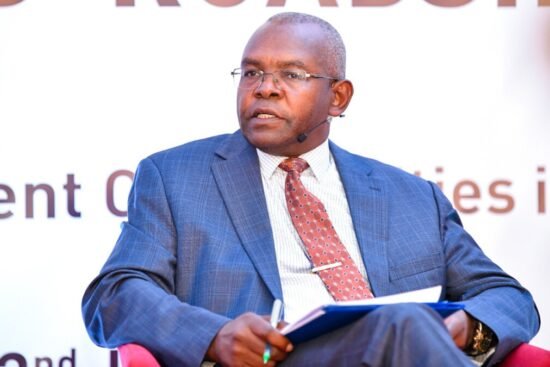
Speaking at the launch event in Nairobi, Kenya’s Trade Minister Lee Kinyanjui highlighted the platform’s significance. He stated that for the first time, cross-border trade within COMESA can be settled directly in local currencies, calling it a “game-changer.”
COMESA’s Economic Scope
COMESA unites 21 countries across eastern, southern, and parts of northern Africa. Its membership comprises Burundi, Comoros, the Democratic Republic of Congo, Djibouti, Egypt, Eritrea, Eswatini, Ethiopia, and Kenya. The other members are Libya, Madagascar, Malawi, Mauritius, Rwanda, Seychelles, Somalia, Sudan, Tunisia, Uganda, Zambia, and Zimbabwe.
Collectively, these nations form a market of over 640 million people and share a combined Gross Domestic Product exceeding $1 billion, establishing COMESA as one of Africa’s largest regional trading blocs.
Addressing Trade Barriers and Dollar Dependence
Despite its size, intra-COMESA trade remains relatively low, accounting for less than 10% of the bloc’s total trade, according to the regional secretariat. This underperformance is largely attributed to existing barriers such as high currency conversion costs, limited financial connectivity, and the deep-seated reliance on the US dollar for trade settlements.
The new payment system holds the potential to unlock substantial value by making cross-border commerce more accessible, particularly for small and medium-sized companies. For major economies within the bloc, such as Kenya, Egypt, and Ethiopia—which together represent nearly half of COMESA’s combined GDP—this transition could help ease pressure on foreign currency reserves and contribute to exchange rate stabilization.
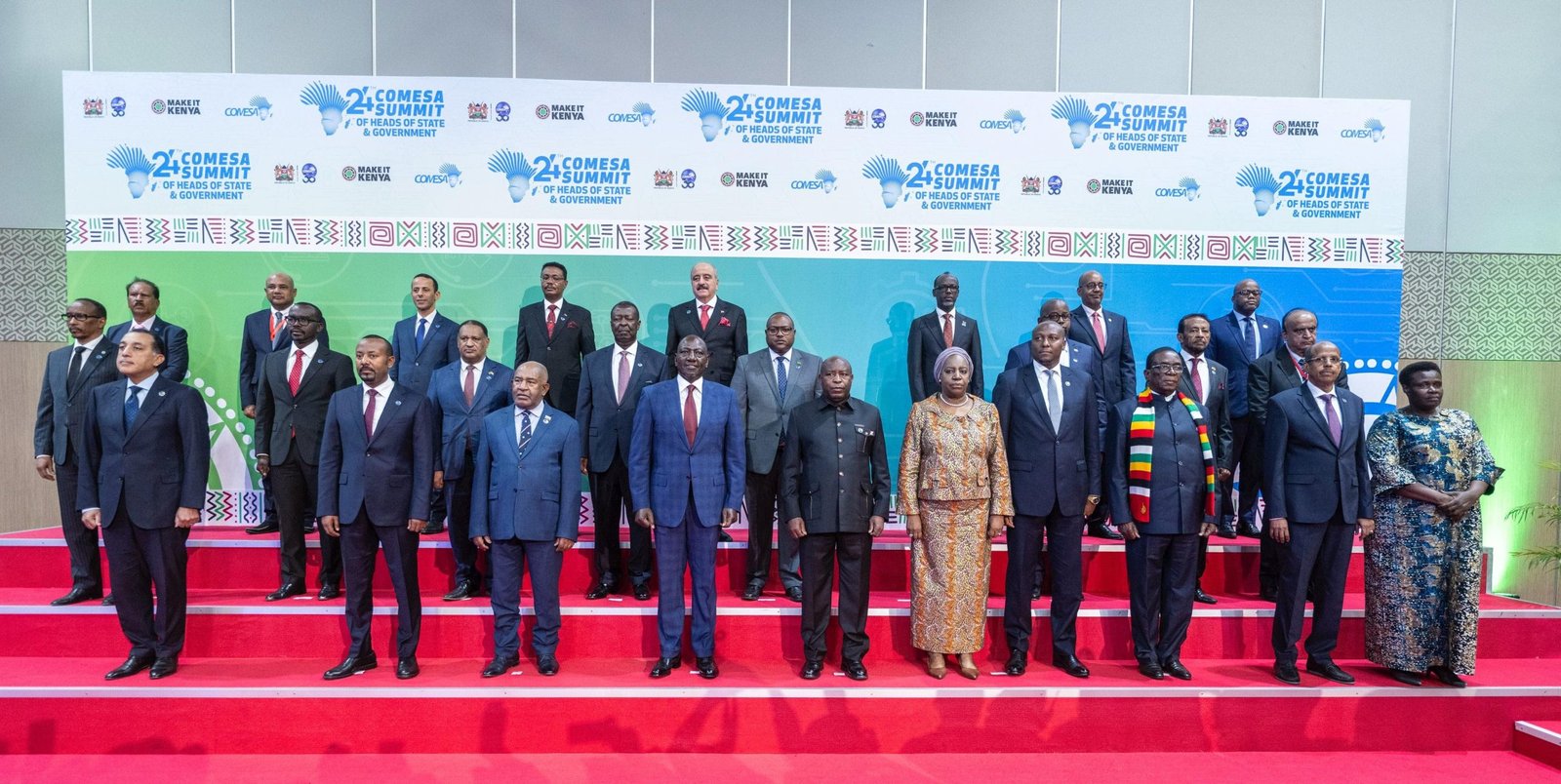
Kenya’s President William Ruto, who recently assumed the role of COMESA Chairman, affirmed that the platform marks a crucial step toward deepening Africa’s economic integration. He noted that Kenya has increased its capital contributions to regional trade banks, specifically the Trade Development Bank (TDB) and Afreximbank, by $100 million and $50 million respectively, to support these regional efforts.
President Ruto emphasized that strengthening home-grown financial institutions represents one of the most viable pathways for Africa’s economic progress. The new payment platform is thus expected to diminish the dollar’s dominance in regional commerce, enabling local currencies, such as the Kenyan shilling or Ethiopian birr, to play a more central role in driving trade across eastern and southern Africa.