
Recent testimony from the Central Bank of Kenya to the national legislature highlights a significant vulnerability within the domestic financial landscape. The regulator warns that the stability of the entire financial system is now inextricably linked to a single private mobile payments platform. This assessment moves beyond mere technical observation and suggests that any failure of the service would cause the broader economy to falter.
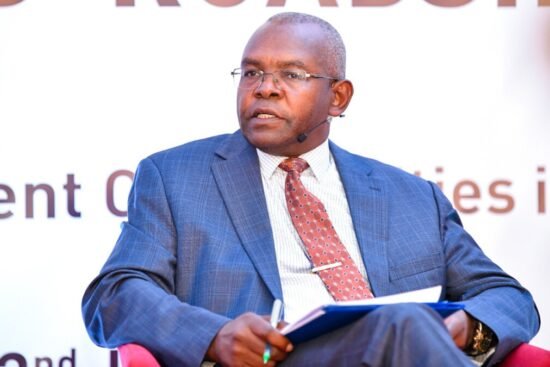
During a presentation to the parliamentary committees on finance and public debt, Central Bank Governor Kamau Thugge classified the platform as a systemically important entity. The regulator noted that a disruption would move beyond minor inconveniences and instead significantly impair the real economy. This perspective was shared as lawmakers reviewed a government proposal to divest a 15% stake in the telecommunications firm that manages the service.
Quantifying a Dominant Financial Infrastructure
The scale of the platform’s influence is reflected in its 2025 performance data. Over the past year, the service processed transactions totaling KES 83.7 trillion. This figure represents approximately four times the gross domestic product of Kenya. Currently, no commercial bank or alternative clearing system operates with comparable volume or reach.
The relationship is structural rather than merely transactional. Approximately KES 250 billion in customer funds is currently held in trust accounts across various commercial banks. While this framework is intended to protect consumers, it creates a deep interdependence between mobile money stability and banking sector liquidity. The Central Bank of Kenya maintains that a prolonged outage would impact bank balance sheets and the overall settlement of debts.
Integration Across Public and Private Sectors
The platform maintains a 95% market share in retail payments with over 32 million active monthly users. For a significant portion of the population, the service is the primary vehicle for receiving salaries, paying for supplies, and settling educational costs. It is integrated into nearly every facet of the Kenyan administrative and financial system, including:
- The e-Citizen digital government services portal
- The Kenya Revenue Authority tax collection systems
- Utility providers such as Kenya Power
- Commercial banks, Microfinance Banks, and SACCOs
The Central Bank observes that while alternatives such as Airtel Money, T-Kash, and various fintech platforms exist, they currently lack the liquidity and widespread acceptance required to serve as immediate replacements.
The Intersection of Policy and Risk
The timing of this regulatory warning coincides with government efforts to manage public debt, which reached KES 12 trillion by late 2025. Officials have presented the sale of shares in the telecommunications firm as a fiscal strategy to fund infrastructure without increasing borrowing. The goal is to move toward a sustainable debt anchor of 55% net present value relative to GDP.
Critics of the divestiture, including professional legal bodies and consumer advocacy groups, argue that the strategic importance of the firm warrants keeping it under domestic control. They contend that the platform has evolved into a national asset that transcends standard corporate ownership.
Despite these concerns, the Central Bank maintains that a partial change in shareholding will not compromise operational integrity. The regulator suggests the move could instead provide macroeconomic benefits by increasing foreign exchange reserves and supporting the stability of the local currency.