

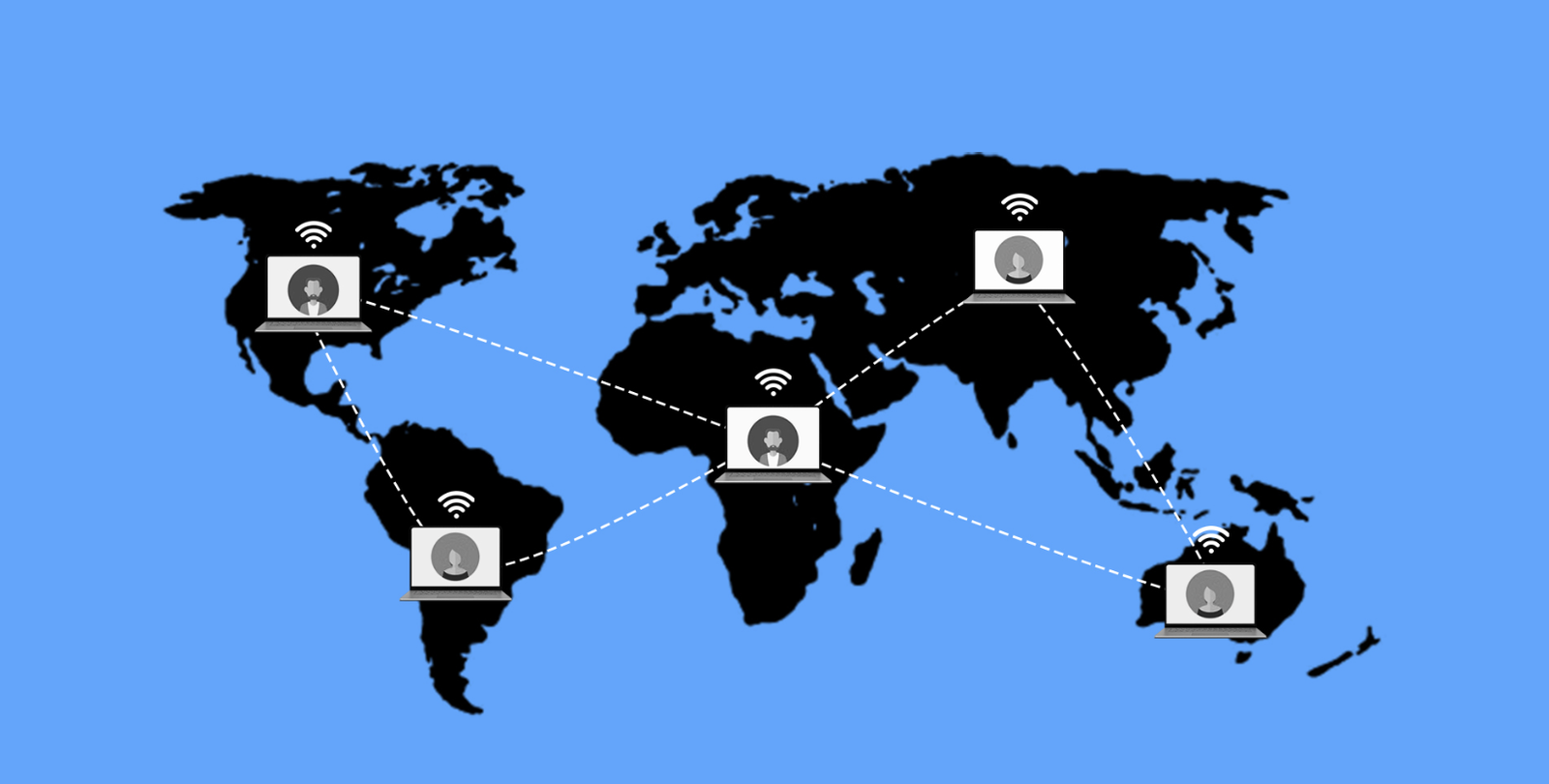
The adoption of remote work has seen substantial growth across Africa since the COVID-19 pandemic, enabling professionals in diverse fields to serve international clients from their home countries. This trend spans sectors such as technology, content creation, consulting, and data analysis, representing a significant shift in the employment landscape.
Earning Potential and Payment Dynamics
The financial gains for African remote workers vary widely, contingent upon skills, professional experience, and global market demand. An earlier report indicated that African freelancers charged an average of $22 per hour as of 2020. However, actual earnings are heavily influenced by the worker’s client base, specific expertise, and the nature of their working arrangements.
To illustrate the practical financial realities of this trend, the experiences of remote workers in Kenya and Nigeria reveal the spectrum of earnings, preferred payment methods, and daily work realities when engaged with international clients.
1. Case Study: Freelance Writer, Kenya
A 28-year-old freelance writer based in Kenya, working full time for clients in the UAE, Japan, and Australia, reported earning between $700 and $1,000 per month.
- Getting Started: The writer began by offering academic writing and editing services on an international platform while still in university.
- Payment Methods: Payments are typically received through PayPal, Payoneer, and M-Pesa.
- Local Salary Comparison: This international freelance income is substantially higher than local content writer salaries in Kenya, which typically range from $230 to $530 per month.
- Financial Management: With monthly expenses totaling approximately $300 to $500—covering rent, utilities, internet, and family support—the income comfortably meets these costs, allowing for savings toward a postgraduate degree and improved lifestyle, including occasional travel and better healthcare.
- Challenges: Key difficulties include power outages, inconsistent internet access, and financial losses due to currency exchange fluctuations. A lack of local legal recourse for delayed or unpaid international invoices is also a major concern.
- Work Life Balance: Balance is maintained by establishing clear availability boundaries based on client time zones, avoiding late night meetings, and utilizing scheduling tools.
2. Case Study: Multi skilled Professional, Nigeria
A 26-year-old professional in Nigeria, who works as a structural engineer, voiceover artist, and Linux programmer through a combination of full time remote work and part time projects, earns between $2,000 and $5,000 per month. Clients include an audio book company, a construction firm, and their own entrepreneurial ventures.
- Getting Started: This individual started developing their skills through a technology developer club during university.
- Payment Methods: Payments are processed via Chipper Cash.
- Local Salary Comparison: The difference is stark, as the highest local salary received for structural engineering work was reportedly around $200 per month.
- Financial Management: Monthly expenses, including domestic bills, family support, and tech gadgets, are estimated at approximately $650 to $1,300. The income fully covers these costs, with excess funds allocated to stock market investments rather than traditional savings.
- Lifestyle Impact: Remote work provides financial security, freedom to choose one’s residence without commuting concerns, and sufficient personal time for physical, mental, and social wellbeing.
- Challenges: This professional has managed to mitigate previous issues related to network problems, electricity instability, and noise, reporting no current challenges.
- Work Life Balance: Balance is enforced by working flexible hours and imposing a clear fee structure for any client requests that fall outside of their defined working hours.
Key Takeaways for Business and Policy
These examples demonstrate that international remote work offers African professionals a significant pathway to higher earning potential compared to local employment. However, persistent challenges like infrastructure reliability (power and internet) and financial security (currency exchange and legal protection against payment default) remain critical issues that affect the ease of doing business for this growing segment of the workforce. Addressing these infrastructural and policy gaps could further unlock the economic potential of remote work for the continent.